Behind the Scenes: Managing Multiple Projects
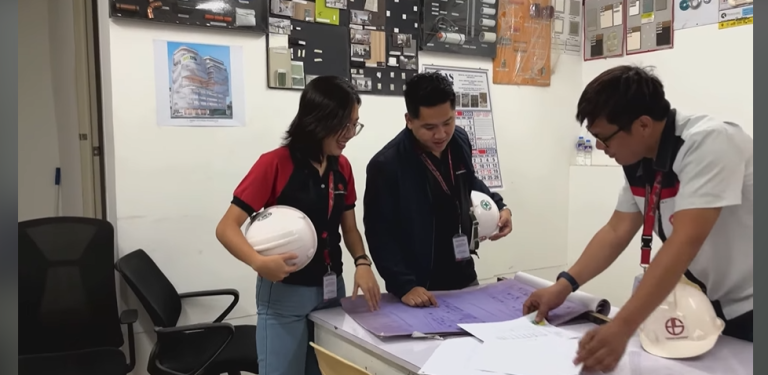
In construction management, progress rarely happens in a straight line. Multiple timelines move at once, priorities shift, and coordination across teams must remain steady—often across several project sites. Behind this work are Unit Managers who oversee multiple engagements simultaneously while ensuring each project stays aligned with its scope, schedule, quality standards, and stakeholder expectations.
So how do Unit Managers manage competing demands without losing focus on what matters most? It comes down to a consistent discipline built on planning, communication, and leadership—supported by systems and a strong team culture.
1) Prioritization
Effective project leadership begins with knowing what requires immediate attention and what can be addressed after critical items are secured. Unit Managers routinely assess risks, deadlines, dependencies, and resource constraints to determine the right sequence of actions. This helps prevent bottlenecks, protects key milestones, and ensures urgent concerns are addressed before they escalate.
2) Clear Communication
When multiple projects are moving at the same time, alignment is essential. Unit Managers maintain clarity through regular coordination, timely updates, and structured reporting—so that project teams, support units, and stakeholders share the same understanding of plans, progress, and concerns. Clear communication reduces rework, supports faster decision-making, and strengthens accountability across the entire project group.
3) Adaptability
Project environments change—sometimes with little notice. From site conditions and supply constraints to shifting priorities and unforeseen issues, Unit Managers must be able to adjust quickly without compromising standards. Adaptability means responding with calm, data-informed decisions, reassessing plans when needed, and keeping teams focused on practical solutions that move work forward.
4) Delegation and Empowerment
Managing multiple projects is never a solo effort. Delegation is a key leadership practice—assigning responsibilities to the right people, defining expectations clearly, and trusting team members to take ownership of specific tasks. When delegation is done well, teams become more responsive, coordination becomes stronger, and managers can focus on higher-level oversight and risk management.
5) Time Management and Structured Planning
Strong time management is supported by disciplined planning: setting clear priorities, organizing deliverables, and protecting time for both on-site and coordination work. Unit Managers balance daily operational needs with long-term milestones by using structured schedules, tracking tools, and consistent follow-through. This approach helps keep multiple projects on track while maintaining quality and safety priorities.
Building Results Through Leadership
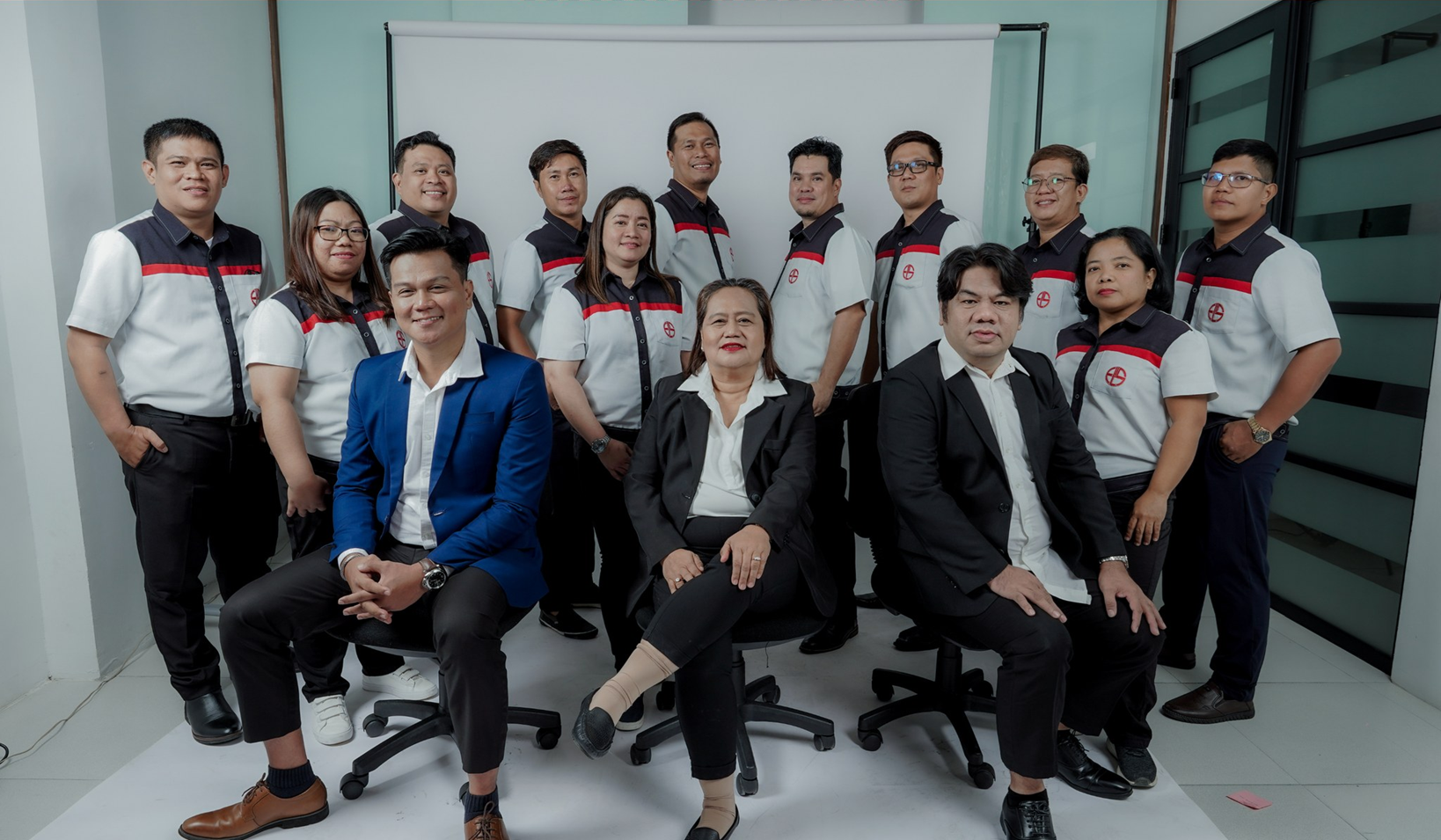
At ELS, effective project delivery is strengthened by leaders who bring consistency, clarity, and responsibility to complex work environments. The ability to manage multiple projects is not just a technical skill—it is a leadership practice grounded in preparation, collaboration, and accountability.
As our teams continue to deliver across varied project requirements, we recognize the discipline and coordination that happen behind the scenes—helping ensure projects move forward with purpose and professionalism.